
The Gentleman’s Guide to Champagne
Updated: Jan 22

Champagne has a reputation problem. For some, it’s the drink of weddings, New Year’s Eve, and Formula 1 podiums. For others, it’s something ordered once a year with no real understanding of what’s actually in the glass. But here’s the truth: champagne, when understood properly, is one of the most versatile, masculine, and quietly sophisticated drinks a gentleman can keep in his arsenal.
This is not about saber tricks or Instagram theatrics. This is about knowing what you’re drinking, why it tastes the way it does, and how to drink it like a man who’s been here before.

First Things First: What Champagne Actually Is
Not all bubbly is champagne. Real champagne comes exclusively from the Champagne region of northeastern France and is made using a specific method (the méthode traditionnelle). Anything else—Prosecco, Cava, sparkling wine—might be enjoyable, but it’s not champagne.
True champagne is built on three main grapes:
Chardonnay – brings elegance, acidity, and citrus notes
Pinot Noir – adds structure, body, and red fruit
Pinot Meunier – rounds things out with softness and approachability
The magic happens during the second fermentation in the bottle, which creates those fine, persistent bubbles and the signature notes of toast, brioche, and nuts.
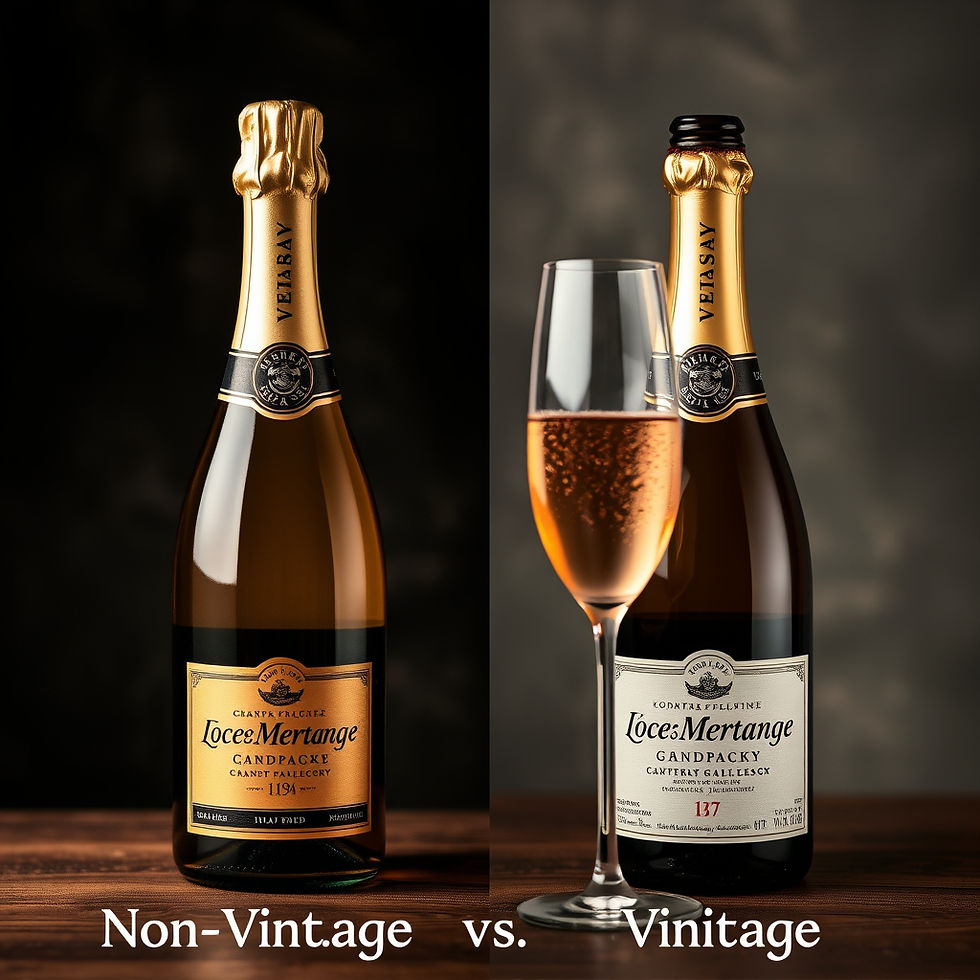
Non-Vintage vs Vintage: Know the Difference
Most champagne you’ll encounter is non-vintage (NV). This means it’s a blend of multiple years, designed to taste consistent year after year. It’s reliable, polished, and ideal for most occasions.
Vintage champagne, on the other hand, is made from grapes harvested in a single exceptional year and aged longer. These bottles are more complex, more expressive, and more contemplative. You don’t pop a vintage just because it’s Friday—you open it when something actually deserves attention.
The Styles Every Gentleman Should Know
Brut – Dry, crisp, and the default choice. If you’re unsure, order this.
Extra Brut / Brut Nature – Very dry, minimal sugar, brutally honest champagne.
Blanc de Blancs – Made entirely from Chardonnay. Lean, sharp, refined.
Blanc de Noirs – Made from dark grapes. Fuller, richer, more powerful.
Rosé – Not just for summer patios. A serious rosé champagne can be bold, structured, and complex.
Houses Worth Knowing (And Why)
You don’t need to memorize labels, but a few names carry weight for good reason:
Dom Pérignon – Always vintage, always deliberate, always a statement.
Veuve Clicquot – Structured, bold, and famously consistent.
Krug – Rich, layered, unapologetically complex. A thinking man’s champagne.
Moët & Chandon – Approachable, celebratory, and impeccably made.
Smaller grower-producers are also worth exploring once you’re ready to go deeper—they often offer incredible value and more distinctive character.
How a Gentleman Serves Champagne
Forget the shallow coupe glasses you saw in old movies. They look good, but they murder the bubbles. Use a proper flute or tulip glass to preserve aroma and carbonation.
Chill the bottle properly (about 8–10°C), open it quietly—no cannon fire—and pour slowly. The goal is control, not spectacle.
When Champagne Truly Shines
Champagne isn’t just for celebrations. It pairs beautifully with oysters, fried chicken, roast chicken, sushi, and even salty snacks. It’s one of the most food-friendly wines on the planet.
The real gentleman’s move? Opening champagne when there’s no obvious reason—just a good meal, good company, and the quiet confidence to know that some moments don’t need an excuse.
Because champagne isn’t about showing off. It’s about knowing exactly what you’re doing—and doing it well. 🥂



Comments